Preparing Your Home for Floor Refinishing
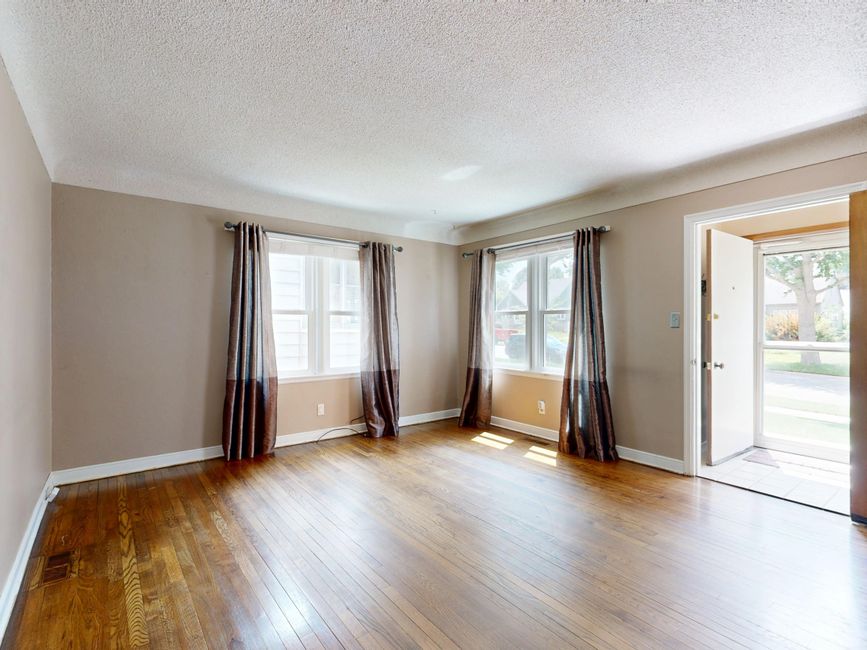
Getting a home ready for hardwood floor refinishing means clearing the space and setting the right conditions for the finish to go on and cure. Homes built before 1978 also fall under a separate Iowa rule about disturbing painted surfaces, which this page states in general terms, with its sources. This page does not say whether floor refinishing itself falls under that rule; the sources read for this site do not say either way, so no such claim is made here.
Clear the room
Manufacturer data sheets describe the conditions a finish needs, which points to what a room should have before the work starts: floor space clear of furniture, and a way to keep the room ventilated and at a steady temperature. Bona's data sheet for its Traffic HD finish recommends 65-80°F and 40-60% relative humidity during application (Bona data sheet, dated 05/27/2026). Minwax's data sheet for its oil-based floor finish says lower temperature, higher humidity, lack of air movement or excessive application will extend dry time, and gives its own times for 77°F and 50% relative humidity with good ventilation (Minwax data sheet, Rev. 1, 1/30/2026). Minwax's water-based floor finish sheet states the same 77°F/50% conditions (Minwax data sheet, undated, read in 2026). None of the three sheets read for this site gives instructions about where people or pets should be during the work, so this page does not offer any. Which finish is proposed also matters for the ventilation and cure schedule to plan around; water-based vs oil-based finish covers what the data sheets say about each.
What follows the work
How long refinishing takes sets out the drying, cure and walk-on times the three data sheets give, and when furniture and rugs can go back. Reading that alongside a quote helps in planning which rooms are out of use and for how long. The routine that follows, once the floor is back in use, is in aftercare.
Iowa's rule for older homes: the general threshold
Iowa has its own certification program for work that disturbs painted surfaces in older homes, run by the state rather than by the federal government.
The U.S. Environmental Protection Agency lists Iowa among the states authorized to run their own lead-based paint renovation program in place of the federal one (EPA, Lead Renovation, Repair and Painting Program). In Iowa, that program is run by the Department of Inspections, Appeals, and Licensing (DIAL). Iowa Code requires the department to run a training and certification program for lead inspectors, lead abaters and lead-safe renovators, and states that "a person shall not perform lead abatement or lead inspections, and shall not perform renovations on target housing or a child-occupied facility, unless the person has completed a training program approved by the department and has obtained certification." Violating this is a civil penalty of up to $5,000 per offense (Iowa Code 10A.902). A property owner performing the work on their own home is not required to be certified, unless someone other than the owner or the owner's immediate family occupies the home while the work is done (Iowa Code 10A.902(2)).
"Target housing" means housing built before 1978, with exceptions for housing for the elderly or people with disabilities, and for housing with no bedroom unless a child under six lives there (Iowa Code 10A.901).
Iowa's administrative rule defines "renovation" as "the modification of any existing structure ... that results in the disturbance of painted surfaces," and gives examples including "surface preparation activity such as sanding, scraping, or other such activities that may generate paint dust" (481 IAC 470.2, effective March 26, 2025). The same rule sets a "minor repair and maintenance" exception below which the certification rule does not apply. The exception's threshold is graduated by surface: less than 1.0 square foot of an interior painted or finished wood surface per renovation; less than 6.0 square feet of a painted or finished drywall or plaster surface per room; or less than 20.0 square feet of an exterior painted or finished surface per renovation (481 IAC 470.2). A separate rule requires anyone doing renovation for compensation in target housing to give the owner and occupant a lead hazard information pamphlet before starting, except for work that falls under the minor-repair exception (481 IAC 469.3; Iowa Code 10A.903).
A surface can also be exempted from the work-practice rules. Iowa's rule exempts renovation on a surface determined to be free of lead-based paint by a certified lead inspector or risk assessor, or, surface by surface, by a certified renovator's proper use of an EPA-recognized test kit (DIAL, Lead Professional Certification).
What this page does not say
The sources above state the general rule for painted surfaces in older homes. None of them mentions hardwood floors, wood flooring, varnish, polyurethane, lacquer or clear finishes by name, and none says whether sanding or refinishing a clear-finished or stained hardwood floor counts as disturbing a "painted or finished wood surface" under this rule. This page does not answer that question, and no other page on this site does either, until DIAL answers it in writing.
This page also does not say:
- whether any specific renovation work is, or is not, covered by this rule;
- what any renovation would cost or take under this rule;
- that anyone connected with this site holds a lead-safe renovator certification;
- anything about what any town in this list requires before this kind of work begins.
A general starting point, not a substitute for advice
This page states Iowa's published rule as of September 2026, with its sources. It is not legal advice, and a homeowner with a pre-1978 home who is planning renovation work should confirm current requirements with DIAL directly. Requesting a quote for hardwood floor refinishing is a separate step from that question.